
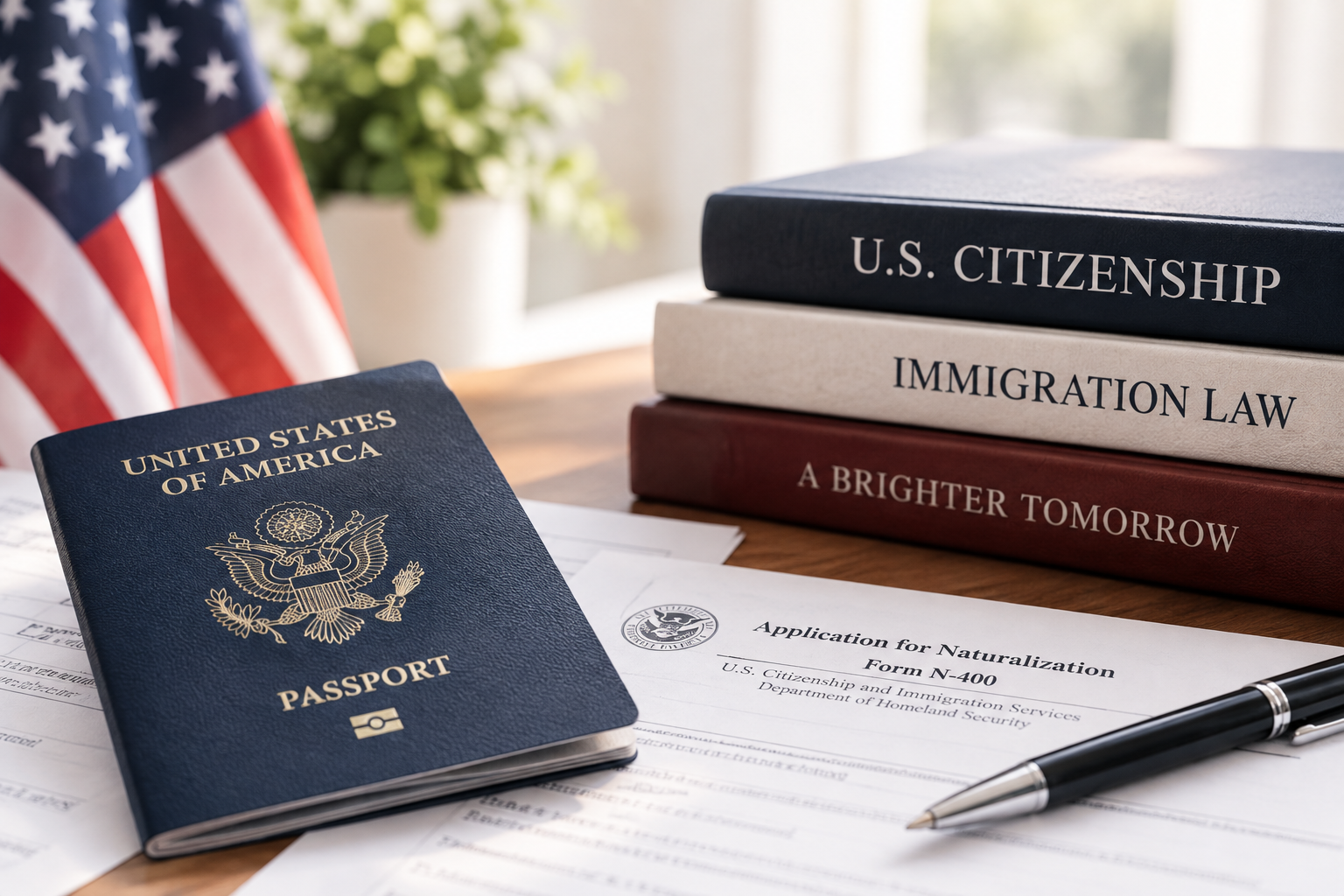
Becoming a U.S. citizen is an important milestone for many immigrants. Learn about the general naturalization process, application requirements, and what applicants can expect along the way.
For eligible permanent residents, naturalization can be an important step toward becoming a U.S. citizen. The process involves several requirements and stages, and applicants should understand what is expected before submitting their application.
The naturalization process generally involves submitting an application, completing the required background and eligibility review, attending a biometrics appointment when required, and participating in a naturalization interview. Applicants may also be required to complete English and civics testing as part of the process.
1. Review Your Eligibility
Before beginning the naturalization process, applicants should determine whether they meet the applicable eligibility requirements. These requirements can depend on factors such as permanent resident status, continuous residence, physical presence, and other circumstances.
2. Complete the Naturalization Application
Eligible applicants generally begin the process by submitting Form N-400, Application for Naturalization.
The application asks for information about your background, residence, employment, travel history, and other aspects of your immigration history.
3. Prepare Your Supporting Documents
Depending on your circumstances, you may need to provide documentation related to your identity, immigration status, family, residence, or other information included in your application.
Reviewing your documents carefully before submitting the application can help you identify missing or inconsistent information.
4. Attend Your Naturalization Interview
Applicants are generally required to attend a naturalization interview with USCIS. During the interview, an officer may review information from the application and ask questions about the applicant’s background and eligibility.
Applicants may also be required to complete the applicable English and civics requirements.
5. Respond to Additional Requests
In some cases, USCIS may request additional information or documentation. Applicants should carefully review any communication they receive and respond within the applicable timeframe.
When Should You Speak With an Immigration Attorney?
If you are unsure about your eligibility, have a complicated immigration history, or have previously had a citizenship application denied, professional legal guidance may help you better understand the naturalization process.
Franklin N. Garcia Law Firm can help you understand your immigration options and the steps involved in pursuing U.S. citizenship.